

Blocked Drains vs. Collapsed Drains: How to Spot the Difference

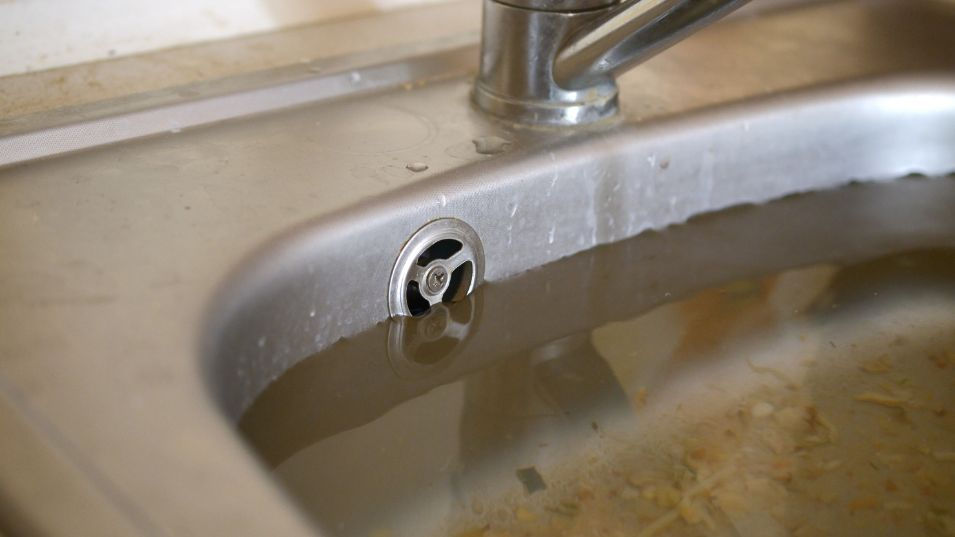
Your plumbing system is essential to everyday life. Washing dishes, taking a shower, or even getting a glass of water all depend on free-flowing pipes. Given how much our comfort relies on a properly functioning plumbing system, it’s often the most neglected part of our home. Clogged sinks, slow drains, or worse, a collapsed pipe, can quickly disrupt our daily routines. Understanding the difference between a toilet that’s simply blocked and a collapsed drain that’s causing water to backup is essential.
While a blockage may be a straightforward fix, a collapsed drain is a far more serious issue that requires prompt professional attention. Spotting the warning signs early can save time, money, and prevent further damage to your property.
Here’s how you can spot the difference between a blocked or collapsed drain:
What is a blocked drain?
There’s not a homeowner in Britain who has not faced the frustrating task of unblocking a clogged drain. A clogged drain occurs when a blockage in your drainage system prevents water from flowing freely. While some blockages may cause inconvenience, more severe blockages can pose significant health risks if not addressed promptly. Foul smells, slow-draining water, and a buildup of food waste creating a breeding ground for bacteria are just a few of the signs and symptoms you’ll face. Understanding the causes and signs is just one way homeowners can be prepared the next time they face a plumbing emergency.
Common signs of a blocked drain
Take a look at a few common signs you should look out for the next time your suspect you have a blocked drain:
Slow Draining Water: This is one of the first signs your plumbing system will give you, so pay attention! Whether it’s your kitchen sink or shower drain, if water is taking a bit longer to drain, it may indicate that there’s an obstruction in your pipes. While blockages are often caused by a buildup of soap scum, hair, or food, some homes may also experience problems from tree roots growing into the pipes. If home remedies fail, it’s best to call a professional.
Foul Smells: When organic matter, such as food, has nowhere to go, it starts to rot in your pipes. This can lead to unpleasant odours emanating from your drains, which can even attract unwanted visitors. The best solution is to avoid tossing food waste, grease, and oil down your drains as this can lead to an unnecessary buildup in your pipes.
Gurgling Sounds: If you’re hearing gurgling sounds coming from your pipes, you don’t need to call Ghostbusters, just your local plumber. These gurgling sounds occur when air becomes trapped in your pipes before moving through the rest of your plumbing system, and it can be an early warning sign of a blocked drain.
What is a collapsed drain?
Collapsed drains occur when your plumbing system has been poorly maintained or neglected over the years. This occurs when a section of your drainage pipe has structurally failed, becoming broken, crushed, or collapsed inward, which prevents water from flowing properly. It’s one of the most severe drainage issues that can occur and can also be an expensive one to repair. Unlike a simple blockage, which is caused by debris like hair, grease, or leaves, a collapsed drain is a physical damage issue. A collapsed drain often causes persistent drainage problems that can’t be fixed by simple unblocking methods and require a professional to handle the repairs or replacement.
A few common causes include:
Age and wear: Pipes can weaken over time and eventually collapse.
Ground movement or subsidence: Shifting soil can put pressure on pipes
Tree root intrusion: Roots can grow into and crush or break pipes.
Heavy loads above ground: Vehicles, construction, or even soil settling can damage pipes.
Warning signs of a collapsed drain
Recognising the early warning signs of a collapsed drain can save you time, stress, and money. When you act quickly, it helps prevent small issues from turning into major problems.
Persistent Blockages: A clogged drain can be a frustrating experience, but multiple blockages can be a sign you’re dealing with a collapsed drain, especially if it reoccurs after it’s just been cleared. This happens because your water and sewage can physically move through the collapsed pipe, causing a back up. Rather than pull out your hair in frustration, call a drainage professional for a CCTV Survey to confirm.
Multiple Fixtures Affected: When one sink is blocked, it’s time to get the plunger. If multiple sinks and toilets throughout your home are blocked, it’s time to call the professionals. Unlike a simple blockage in a single pipe, this shows the problem is further down your drainage system.
Damp Patches & Mould Appearing: Puddles, soggy patches, or unusual wet areas in your garden or driveway could mean water is leaking from a collapsed underground drain. This happens because the collapsed drain puts strain on your pipes, leading to leaks. It can cause damage to your garden, but the pipes are located underneath your home, it can lead to significant structural damage.
When To Call a Drainage Professional
While minor blockages can be resolved with home remedies, it’s important to know when the problem is beyond DIY solutions. Recurring slow drainage that just won’t go away no matter what you try, wastewater backing up into your home, strong or persistent foul odours, or strange noises like gurgling or bubbling coming from your drains are signs that need a professional assessment.
Whether you suspect a nasty drain blockage or a collapsed drain, an inspection by a professional can utilise modern technologies like CCTV drain surveys to pinpoint the exact cause or identify potential structural failures or root intrusions quickly and accurately. Even if the issue seems minor, calling a professional can ensure you’re not dealing with an underlying problem that could worsen over time.
Being proactive about your drainage system can save you from headaches and help you save on any expensive repairs down the line. At Clearpath Drainage we handle everything from minor blocked drains to plumbing emergencies. Using modern, non-invasive techniques like CCTV drain inspections and high pressure drain jetting, we accurately identify the issue and provide an effective course of action.
Whether you suspect a collapsed drain or are dealing with a blocked one, for peace of mind, contact one of our friendly professionals at Clearpath Drainage today!


